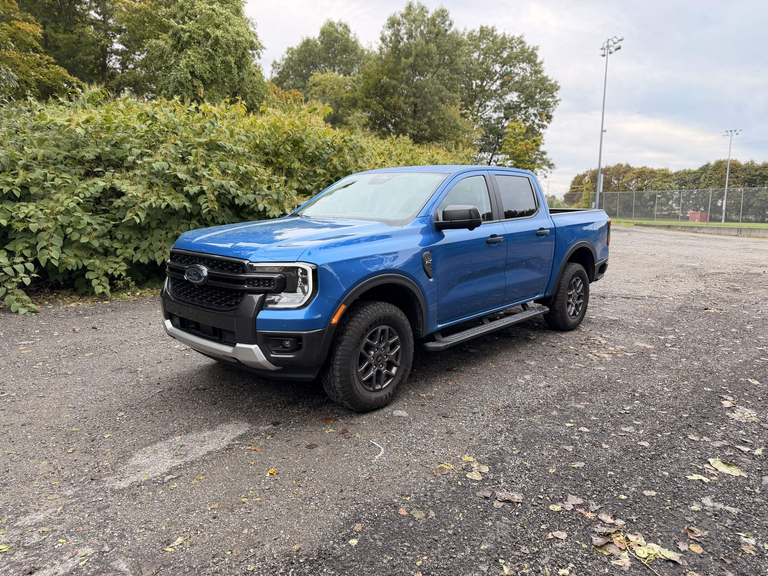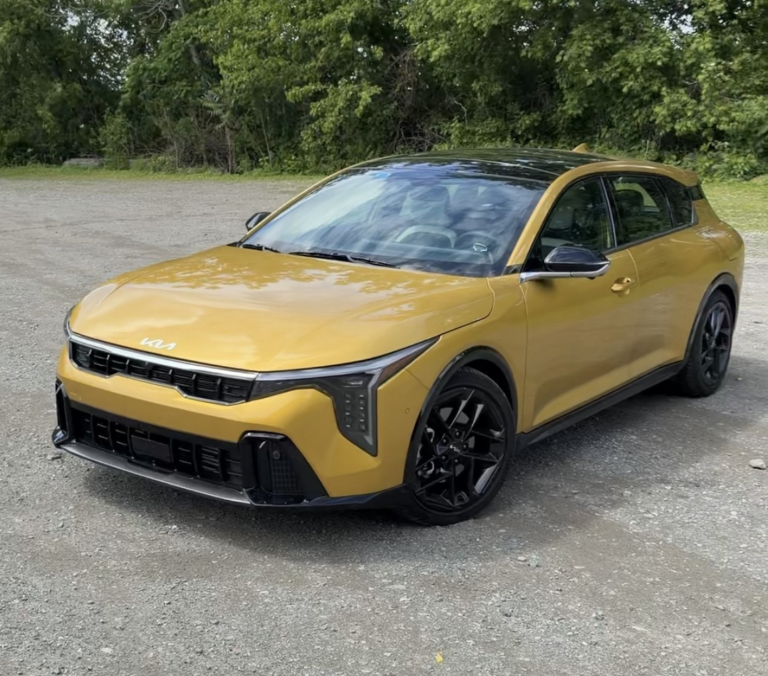

2027 Chevrolet Bolt RS Review: Boring, Correct, and a Steal Under $35K
The 2027 Chevrolet Bolt RS is a 210 hp electric hatchback with a new 65 kWh LFP battery, an EPA-rated 262 miles of range, 150 kW fast charging through a Tesla-style NACS port, and available Super Cruise hands-free driving. My tester was a fully loaded RS at $37,445, but the number that matters is a different one: you can get a brand-new Bolt with Super Cruise for about $35,000. Under that figure, this is one of the best everyday vehicles you can buy.

Bolt RS Spec Strip
| Spec | Figure |
|---|---|
| As-tested price | $37,445 (RS, every option) |
| Super Cruise entry point | About $35,000 |
| Base price | $28,995 LT / $32,995 RS, with destination |
| Battery | 65 kWh lithium iron phosphate (LFP) |
| Range | 262 miles EPA |
| Output | 210 hp / 169 lb-ft, front-wheel drive |
| Charging | Up to 150 kW, 10 to 80 percent in about 26 minutes, NACS port |
| 0-60 mph | 6.8 seconds |
| Seating | 5 |
What changed on the 2027 Chevrolet Bolt?
Chevrolet brought the Bolt back and made a ton of improvements, most of which you can’t even notice. The new LFP battery is onne of the large changes here, and it is a great one, because LFP chemistry is happy being charged to 100 percent every single night, no range-anxiety math required, and in fact it is encouraged to do so. Range lands north of 260 miles, there is also a new electric motor, fast charging is more than twice as quick as the old car (even though it is still a bit slower than some competition), and the exterior and interior both got a proper freshening. All welcome. Let’s go through each.
How does the 2027 Bolt look?
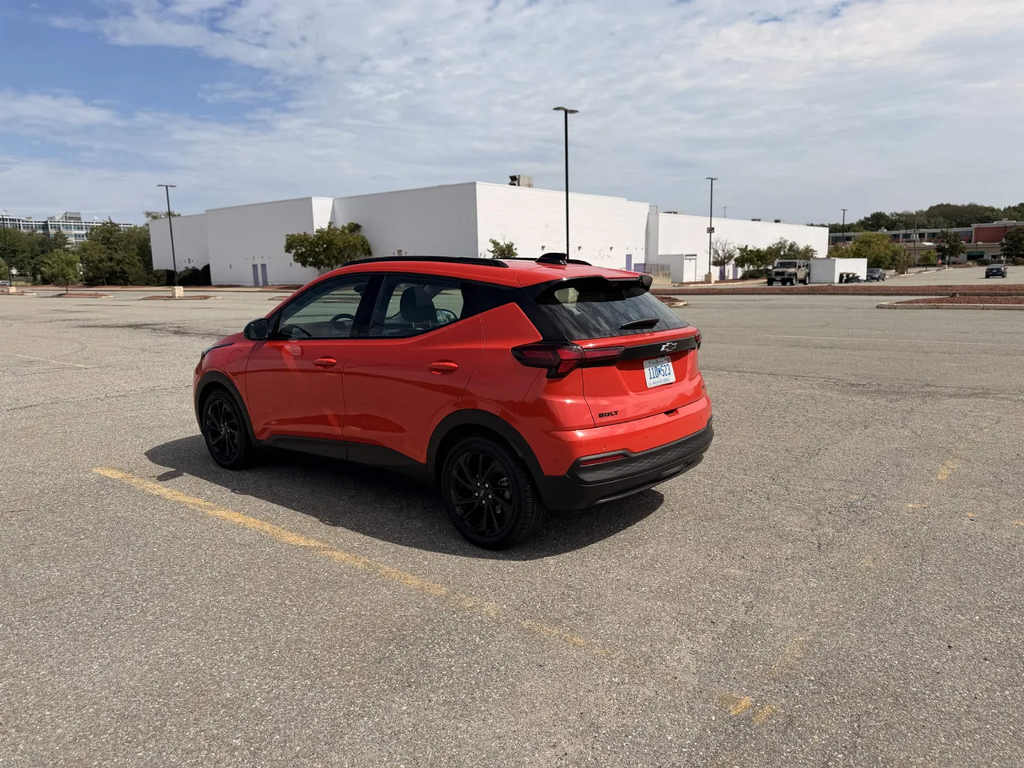
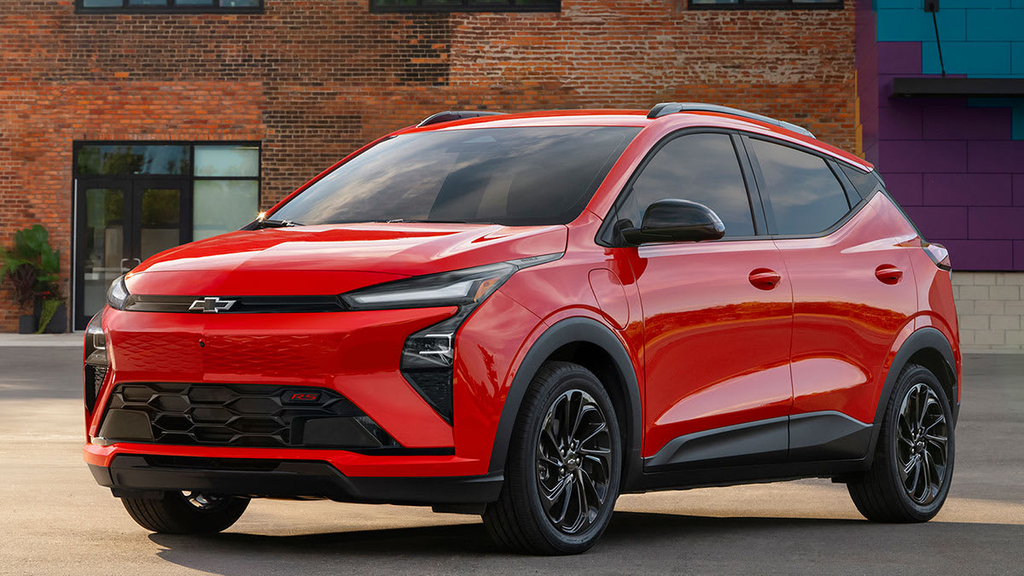
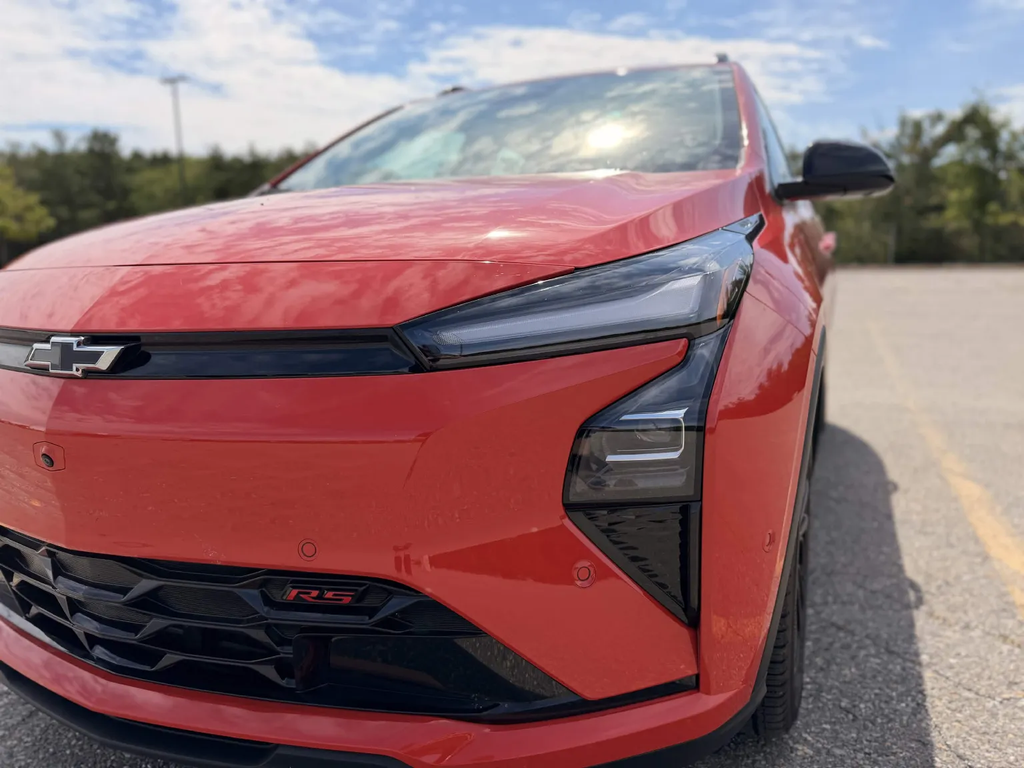
The exterior is a great thing, to be frank. The shape was always there, but with the changes to the front and rear it is now a really quite good-looking car. In the subcompact space, gas or electric, it is one of the better-looking vehicles on sale in my view. And who doesn’t love a hatchback? Combine this with a sharp, sensible design and the Bolt suddenly looks like something you chose, not something you settled for.
How practical is the Bolt’s trunk?
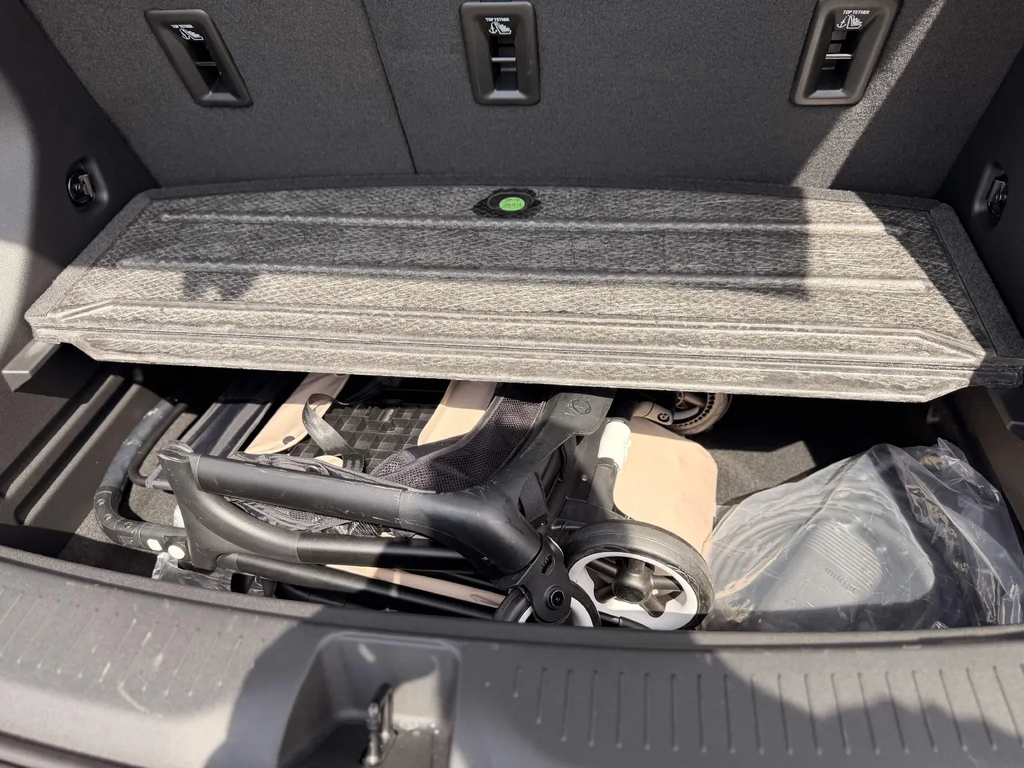
Let’s start at the back and work forward. The trunk SEEMS small, and you can never change the width you are given, but the Bolt has one thing in its favor: depth. It is so deep that a Bugaboo Butterfly stroller fits underneath the load floor. This means the stroller can live in the car permanently and the entire trunk stays free for everything else. It is one of the smartest packaging tricks that only an EV can provide, and the Bolt makes the most of it.
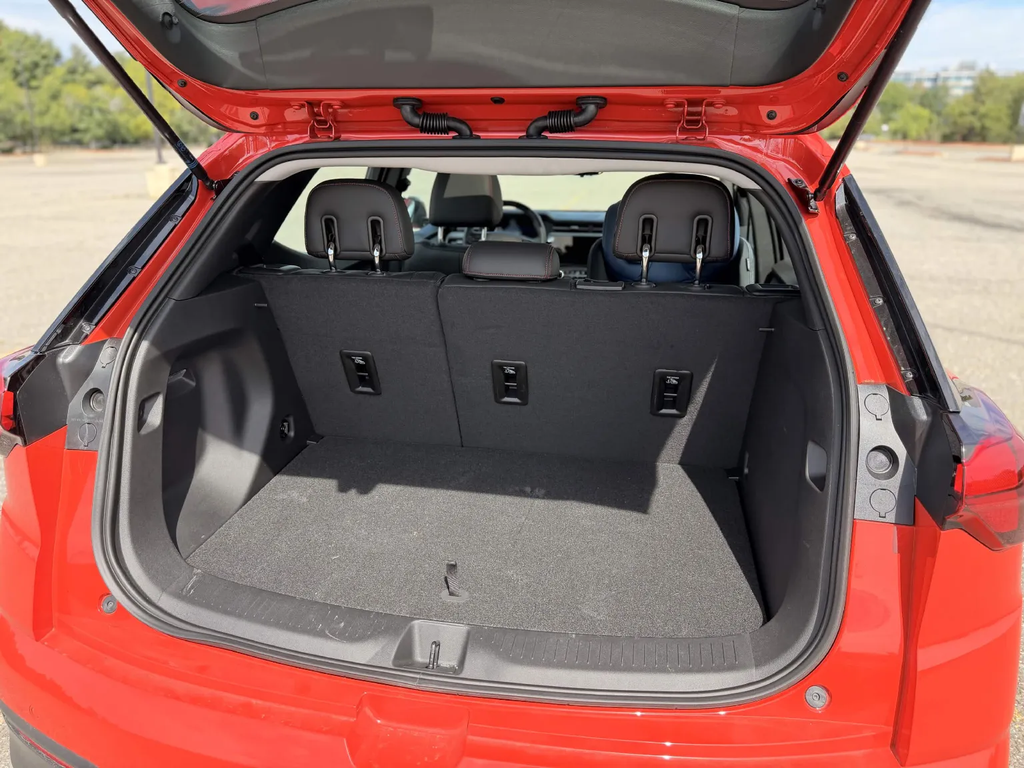
Important Note: a full-size stroller does not fit back here without some serious finagling. Compact stroller families only.
Is the Chevrolet Bolt good for car seats?
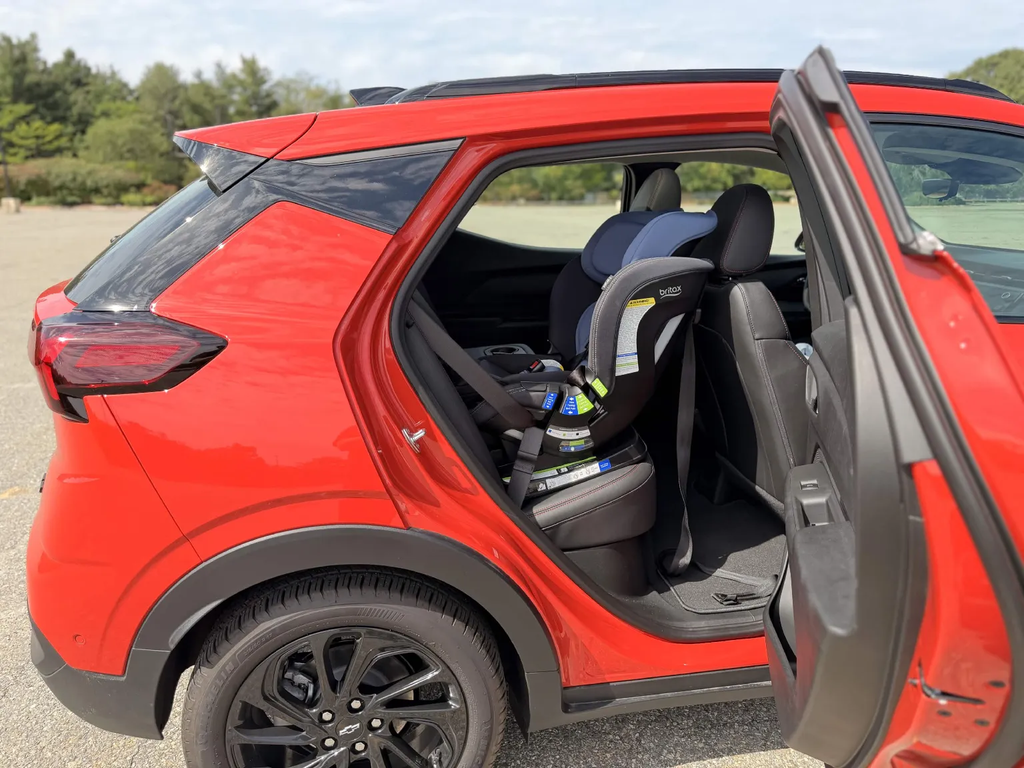
The back seat handled a Britax Poplar S just fine. The door opening is large, the space to load a toddler is easy, and the seat base is nearly flat, which makes mounting the car seat genuinely simple. As a passenger, at 6 feet tall, I can sit behind my own driving position with AMPLE legroom, and thanks to the Bolt’s tall shape, ample headroom too. I can also sit in front of the car seat with no comprimises, a shocking realization for something this size.
The one knock, and parents need to pay attention here: there are two USB fast chargers and an armrest with cupholders back there, but no rear vents. None. That leaves you managing the temperature of the back seat from the front, which is exactly the problem you hate to have with a little one strapped in behind you.
How is the Bolt’s interior up front?
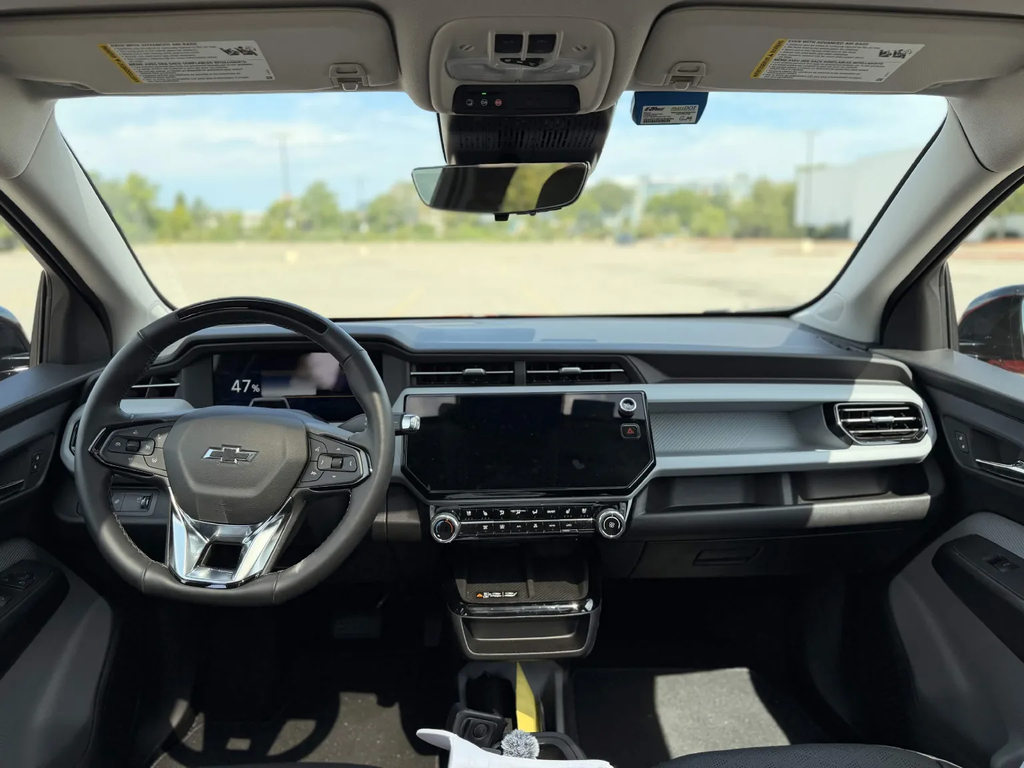
From the driver’s seat you see and feel every change Chevrolet made. The seats are a massive improvement over the first generation, still light on padding at the base, but leagues better and finally a place you can actually spend time. Mine were heated and cooled, paired with single-zone climate. The loaded RS with tech package also brings a 360-degree camera and rain-sensing wipers.
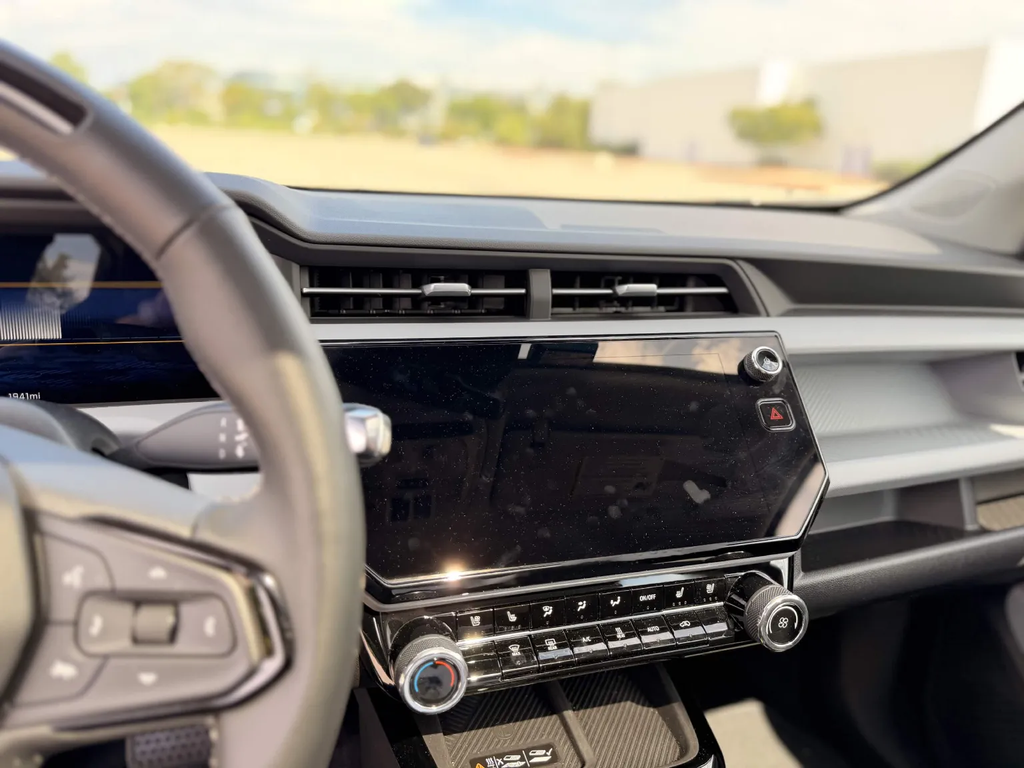
The infotainment runs Google built-in, and remember, there is no Apple CarPlay or Android Auto here. It works well regardless: Google Maps has an excellent EV route planner and handles traffic properly. Two gripes. The screen angle bothers me, and while there are paddles on the back of the wheel for volume, the physical knob sits on the far side of the screen, too far to reach comfortably. Otherwise the cabin feels airy, akin to a Kia Soul thanks to the similar shape, and it is great.
How good is Super Cruise on the Bolt?
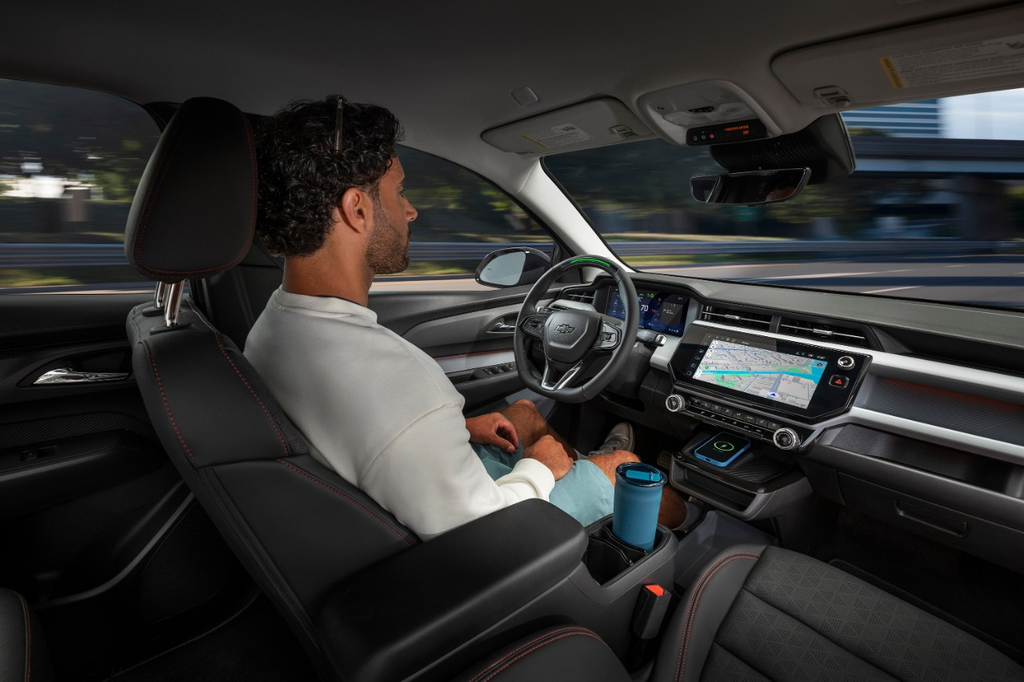
Super Cruise is just great. If you have never driven a vehicle with hands-free highway capability, it takes a remarkable amount of strain out of a daily commute or a long highway drive. Activation is easy: when a steering wheel icon appears on the screen, press the button on the left of the wheel, and a green light bar on the rim confirms you can legally take your hands off. It works really well.
Getting this technology BRAND NEW in a car that starts around $35,000, before the incentives that are usually available, is amazing. Nobody else in this price bracket offers anything close.
How does the 2027 Bolt drive?
Power is not earth-shattering by EV standards, but it is more than most of the competition in this space, and short of something like an Elantra N, you are not finding many faster things new for $35,000, at least in a straight line. That said, I do know folks who put good tires on these and autocross them to real success.
Steering is good. Braking is good. The suspension is a bit bouncy, and that, and only that, is what feels cheap when you drive it: how the car handles bumps. Everything else is quiet, loaded with tech, and at points you forget you are in an entry-level EV.
The take: the $35,000 line
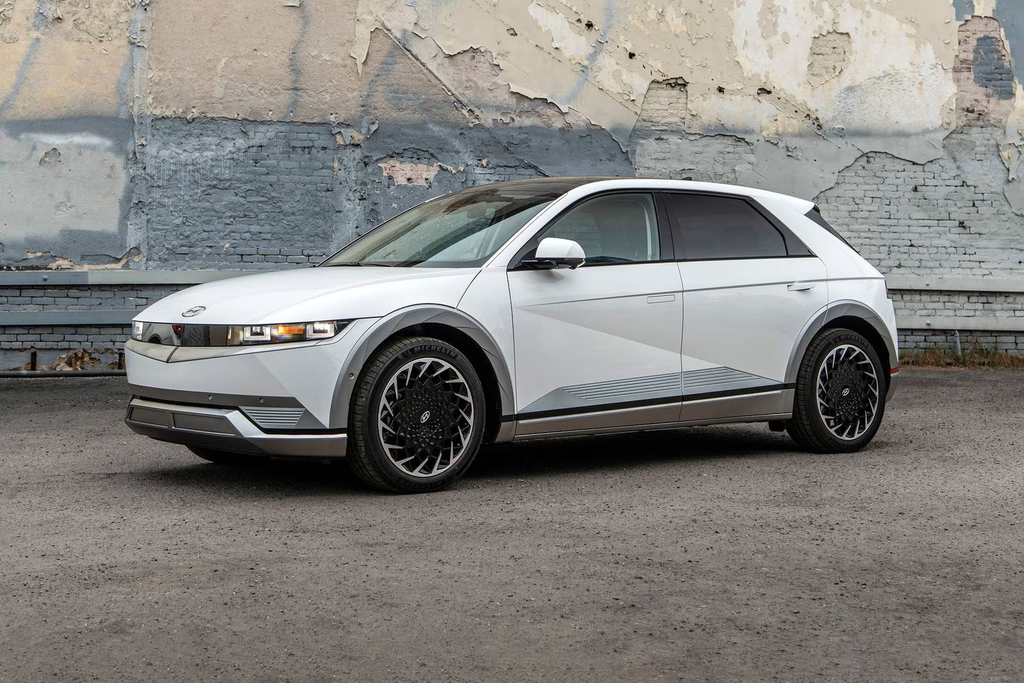
The Bolt has a problem, and it is called the Ioniq 5, along with the whole next class of EVs that sits uncomfortably close in price. The cheapest Super Cruise Bolt is about $35,000, and that is a steal. Get one closer to $30,000 with incentives and you have a rocking daily. Pay more than $35,000, though, and you are in Ioniq 5 territory: more than 300 miles of range, a better ride, more room, and rear vents, which makes it a better vehicle for moving kids around, even with less tech.
So here is the summary. Under $35,000, the Bolt is one of the best vehicles you can buy for everyday use. Will it make your heart race? No. Will it get you from A to B safely, and with one other person aboard make most of life REALLY easy, because the seats fold and the storage multiplies? Yes. Should a parent of one avoid it? Not necessarily, just know you will be doing a temperature dance for the back seat with no rear fan to help. It is boring, it does everything right except the bouncy suspension, and other slightly pricier EVs can be a little better even without its tech. But if you can get a Super Cruise Bolt for $30,000 to $33,000, you are winning.
Verdict Scorecard
Verdict // 2027 Chevrolet Bolt RS
Under $35K you’re winning. Over it, buy the Ioniq.
The Good
- Super Cruise in a $35K car, nobody else does this
- Stroller lives under the trunk floor
- LFP battery loves being charged to 100%
- Genuinely good-looking now, and it’s a hatchback
- Ample room behind a 6-foot driver
The Bad
- No rear vents, a real problem with a kid back there
- Bouncy suspension is the one cheap-feeling thing
- Loaded RS pricing walks into Ioniq 5 territory
- No CarPlay or Android Auto
- Volume knob lives on the wrong side of the screen
Sources: GM press release · EPA ratings (fueleconomy.gov). Observed fuel economy and as-tested pricing are from our week with the car.
FAQ
How much does the 2027 Chevrolet Bolt cost?
The LT starts at $28,995 and the RS at $32,995, both including destination. A Super Cruise-equipped Bolt lands around $35,000, and a fully loaded RS like my tester runs $37,445.
What is the 2027 Bolt’s range?
262 miles EPA on the new 65 kWh LFP battery, which can be charged to 100 percent regularly without hurting its longevity.
Does the 2027 Bolt have Super Cruise?
Yes, as an option on both trims, bringing hands-free highway driving to a car priced in the mid-$30,000s, which no competitor matches.
Does the Chevrolet Bolt have Apple CarPlay?
No. The Bolt uses Google built-in, with Google Maps, Assistant, and native apps instead of phone mirroring.
Is the Chevrolet Bolt good for a family with a baby?
Workable for a family of three: the car seat installs easily, a compact stroller lives under the trunk floor, and an adult fits in front of the seat. The missing rear vents are the one real compromise.
Chevrolet Bolt vs Hyundai Ioniq 5: which should I buy?
Under $35,000, the Bolt, especially with Super Cruise. Above it, the Ioniq 5 offers more range, more room, a better ride, and rear vents for a small premium.
I’m MoneyShift. If it has wheels and a story, it ends up here. Follow along for all things car news.
More from MoneyShift